Top B2B Logistics Companies in India: Driving Modern Supply Chain Success
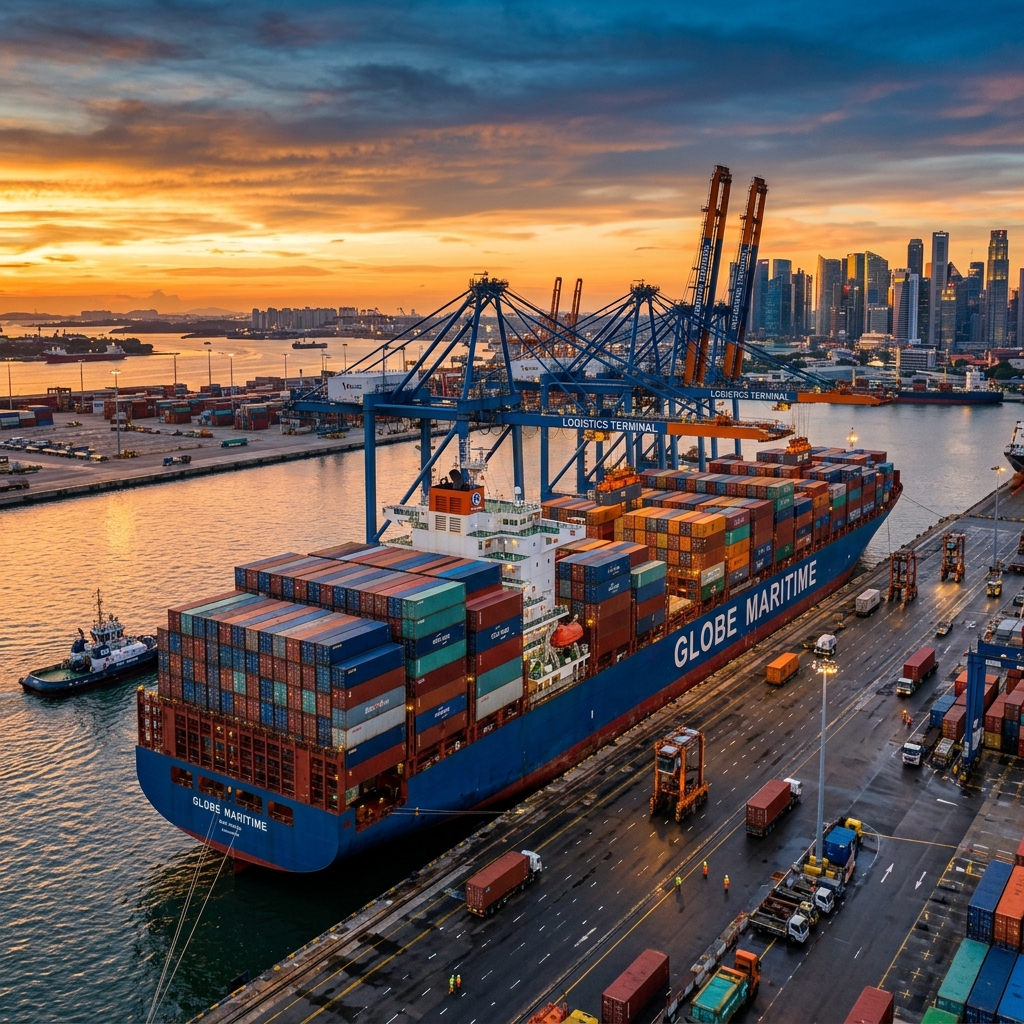
The landscape of B2B commerce in India is experiencing a structural shift. Spurred by aggressive infrastructure expansion and rapid digital transformation, the domestic industrial and commercial supply network has evolved from a fragmented set of local truckers into a tech-driven market.
As manufacturing hubs scale under national policy initiatives (such as Make in India and PLI schemes) and enterprise procurement moves online, B2B stakeholders require high levels of speed, predictability, and security across their distribution lines.
Choosing the right logistics partner is no longer just an operational detail—it is a core business decision. This guide breaks down the fundamentals of modern business logistics, analyzes market performance benchmarks, highlights the top B2B logistics providers in India, and details how leading solutions are helping companies future-proof their supply chains.
Fundamentals: What Is B2B Logistics?
To build an efficient corporate distribution framework, it helps to start with the core concept: what is B2B logistics?
Unlike business-to-consumer (B2C) shipping—which focuses primarily on high-volume, single-item parcel deliveries to individual residential doorsteps—B2B logistics manages the movement of large-scale cargo, raw materials, industrial sub-assemblies, and finished inventory between businesses. This encompasses transport between manufacturers, wholesalers, regional distributors, micro-fulfillment dark stores, and corporate offices.
Higher Order Value & Volume
Shipments typically move via Less-Than-Truckload (LTL), Full-Truckload (FTL), or dedicated air freight channels with substantial monetary value.
Complex Regulatory Compliance
Operations require strict adherence to electronic waybills (e-way bills), goods and services tax (GST) documentation, and customized commercial invoicing.
Strict Service Level Agreements (SLAs)
Operational delays can halt factory production lines, leading to severe financial penalties or damaged commercial client relationships.
Customized Transport Requirements
Shipments often require specialized handling, such as temperature-controlled cold chains, high-security hand-carry protocols, or scheduled drop-off appointments.
The Macro Landscape: India's B2B Supply Chain Metrics
The demand for integrated corporate shipping services is backed by strong market growth. According to industry analysis reports, the India freight and logistics market is valued at USD 315.89 billion in 2026 and is projected to expand at a CAGR of 8.57%, reaching USD 476.51 billion by 2031.
India Freight & Logistics Market Expansion (USD Billion)
At the same time, the rapid rise of enterprise procurement portals and corporate marketplaces has accelerated the demand for specialized B2B e-commerce logistics. Data highlights that domestic B2B e-commerce platforms are growing at over 18% annually, driving a clear shift toward digital freight booking, automated dispatching, and real-time shipment visibility.
Top B2B Logistics Companies in India
Evaluating logistics providers requires looking closely at operational coverage, technological capabilities, and service dependability. Below is a breakdown of the leading B2B logistics providers serving startups and global enterprises across India:
As a top choice for comprehensive corporate shipping solutions, SRS Combined Cargo delivers a complete suite of services tailored for growing startups and established enterprises across India. Recognizing that traditional shipping networks can struggle with time-critical or complex shipments, the company provides end-to-end, highly secure, and punctual B2B freight solutions across the country.
The Integrated Service Portfolio Covers:
By combining personal service oversight with nationwide reach, SRS Combined Cargo helps businesses streamline operational handovers, safeguard valuable cargo, and maintain predictable delivery timelines.
SRS Combined Cargo can serve as a trusted logistics company for small business requirements, particularly where companies need flexible freight options without committing to full-truckload shipments.
Request a Customized Logistics Solution →Delhivery
A major player in the domestic logistics landscape, Delhivery offers an extensive digital freight network. Their B2B services focus on automated Full-Truckload (FTL) and Less-Than-Truckload (LTL) shipping, supported by automated hub sorting infrastructure and software-driven dispatch systems suitable for high-volume enterprise supply chains.
TCI Express
TCI Express brings decades of physical infrastructure experience to corporate logistics. Specializing in express cargo, the company operates an extensive surface and air distribution network with strong coverage across tier-2 and tier-3 industrial manufacturing hubs.
Blue Dart Express
A subsidiary of DHL, Blue Dart remains a go-to provider for time-critical, high-value B2B shipping. Operating dedicated cargo aircraft and maintaining secure air-express facilities, they serve industries with strict delivery deadlines, such as pharmaceuticals, banking, and premium electronics.
Mahindra Logistics
Specializing in 3PL and integrated supply chain management, Mahindra Logistics excels in handling complex, multi-site manufacturing and automotive supply lines. They focus on managing large-scale warehousing operations, inbound-to-factory logistics, and sustainable fleet deployments.
Other Notable B2B Logistics Companies in India
Sindhu Logistics LLP provides cargo and transportation services with a network spanning Telangana, Andhra Pradesh, Maharashtra, and Tamil Nadu. Its services include PTL, FTL, office-to-office, and door-to-door delivery.
Overseas Logistics serves businesses with nationwide and global freight, supply chain management, and custom clearing solutions.
AR Logistics provides road, air, rail, and sea freight services, along with warehousing and logistics solutions. It also supports forward and reverse logistics, shipment tracking, API integration, and delivery monitoring.
Balaji Logistics Services offers freight forwarding, customs clearance, warehousing, and transportation services, providing customized end-to-end logistics solutions for businesses.
SS Logistics provides transportation, FCL/LCL, warehousing and distribution services, with specialized capabilities including 20-ft and 40-ft open-top container transportation.
Comparing India's Leading B2B Logistics Operators
The table below provides a quick overview comparing core operational capabilities across top logistics providers:
| Logistics Provider | Primary Focus Area | Ideal Business Scale | Key Technological Feature |
|---|---|---|---|
| SRS Combined CargoPrimary | Comprehensive B2B, Consolidated Cargo & Logistics Services | Startups, Mid-Market & Enterprises | High-Touch Tracking & Flexible Custom Solutions |
| Delhivery | Automated LTL/FTL Freight & Digital Booking Platforms | High-Volume E-Commerce & Retail | Algorithmic Route Optimization & API Workflows |
| TCI Express | Express Surface Distribution & Industrial Cargo | Industrial Manufacturers & Distributors | Extensive Regional Hub-and-Spoke Network |
| Blue Dart Express | Aviation-Backed Air Express & Premium Document Shipping | BFSI, Healthcare & Microelectronics | Dedicated Air Cargo Fleet & Priority Hubs |
| Mahindra Logistics | 3PL Warehousing & Inbound Factory Logistics | Automotive & Heavy Industrial Plants | Integrated Control Towers & Fleet Analytics |
Key Pillars of Innovative B2B Logistics
Modern corporate supply chains rely on advanced digital tools to improve speed and visibility. Leading innovative B2B logistics operations build their strategy around three primary pillars:
Real-Time B2B Logistics Tracking
Legacy tracking systems that rely solely on static scans at sorting hubs are no longer sufficient for managing high-value enterprise cargo. Modern logistics platforms utilize IoT sensor telematics and continuous B2B logistics tracking systems to stream live GPS locations, monitor cargo temperature, and track door-sensor updates directly to central management dashboards. This transparency allows operations managers to catch delays early and adjust routing proactively.
End-to-End B2B Logistics Management
Effective B2B logistics management integrates formerly isolated supply chain functions—including supplier purchasing, warehouse storage, multi-modal transport, and reverse returns—into a single digital workflow. Removing these operational barriers helps companies lower administrative overhead, reduce vehicle wait times, and improve inventory accuracy.
Advanced B2B Supply Chain Management and Logistics
Modern supply chain strategies prioritize operational agility. By analyzing historical shipping data and live traffic patterns, advanced analytics platforms help companies predict seasonal demand spikes, balance regional warehouse inventory, and lower per-unit freight costs, ensuring supply chains remain resilient during unexpected market disruptions.
Selecting the Ideal Logistics Partner for Your Business
For small businesses, choosing the right logistics company is especially important. A logistics company for small business requirements should offer flexible shipping options, consolidated cargo services, transparent pricing, reliable tracking, and the ability to scale as shipment volumes grow.
When evaluating potential B2B logistics providers, business leaders should consider four core operational factors:
Ensure the provider offers customizable shipping options—such as consolidated LTL transport, dedicated FTL fleets, or specialized hand-carry services—to match your changing cargo requirements.
Confirm that the partner maintains strong transport corridors across both major metropolitan markets and key tier-2/tier-3 manufacturing hubs.
Verify that the provider offers real-time shipment visibility and direct software integration capabilities to streamline documentation and order tracking.
Ensure the partner follows strict safety protocols, maintains secure transit facilities, and handles mandatory regulatory documentation (such as GST and e-way bills) smoothly.
Conclusion: Driving Competitive Advantage Through B2B Logistics
As Indian commerce continues to expand, the performance of your supply chain directly impacts your competitive edge. Fragmented shipping networks and slow manual handovers can lead to missed production deadlines, tied-up capital, and dissatisfied clients.
By partnering with an established logistics specialist like SRS Combined Cargo, organizations can streamline their distribution channels, improve cargo security, and build a flexible, responsive supply chain capable of supporting sustainable, long-term business growth.
Related Topics & Guides
Explore our full suite of logistics insights and operational guides across India:
Explore Other Blogs & Guides:
Our B2B Logistics Services in India
SRS Combined Cargo offers flexible freight and end-to-end B2B supply chain solutions across India: